
Self-Guided Route: From Vilnius center to the Green Lakes
B. Cathedral Square
The journey begins at Cathedral Square, the symbolic heart of Vilnius and one of the city’s most important public spaces. The square lies at the foot of Gediminas Hill and forms the historic centre of the former Lower Castle complex. For centuries this area has been the setting for coronations, religious ceremonies, national celebrations, and modern festivals. Today visitors gather here to admire the neoclassical Vilnius Cathedral, the separate Bell Tower, and the sweeping views toward Gediminas Castle Tower. It is the perfect starting point for discovering the many historical layers of the Lithuanian capital.
C. Memorial Complex of Tuskulėnai Peace Park
Tuskulėnai Peace Park is one of the most important memorial sites in Vilnius dedicated to the victims of Soviet repression. Between 1944 and 1947, hundreds of people executed by the Soviet secret police were secretly buried on the grounds of the former Tuskulėnai Manor. Today the carefully designed memorial complex includes landscaped parkland, restored manor buildings, and a striking chapel-columbarium where the remains of 724 victims are respectfully interred. Museum exhibitions tell the stories of those who lost their lives and explain the difficult history of Lithuania during the years of occupation. Walking through the park offers both a moment of reflection and an opportunity to learn about the country’s struggle for freedom.
D. Žirmūnai River Beach
Žirmūnai Beach is a pleasant riverside escape located along the banks of the Neris River. Popular with locals during the warmer months, the sandy riverbank offers space for sunbathing, swimming, and relaxing by the water. Walking paths follow the river, providing scenic views of the surrounding greenery and modern neighbourhoods. The area also connects with cycling routes that run along the Neris valley. It’s a refreshing stop where visitors can experience the relaxed everyday rhythm of Vilnius outside the historic centre.
E. Trinapolis Holy Trinity Monastery
Hidden among trees near the Neris River stands the historic Trinapolis Holy Trinity Monastery complex. Established in the 17th century by Trinitarian monks, the monastery served both religious and educational purposes. Its Baroque church, with elegant architectural details and a tranquil courtyard, forms the centre of the ensemble. Over the centuries the complex has been rebuilt and restored several times, yet it still preserves the calm and contemplative atmosphere typical of monastic sites. Today the monastery remains an important spiritual and cultural landmark in northern Vilnius.
F. Vilnius Calvary Way of the Cross
The Vilnius Calvary is one of the most unique pilgrimage sites in Lithuania. Created in the 17th century, the complex symbolically recreates the path of Christ’s suffering in Jerusalem. The route consists of a series of chapels, gates, and stations placed along forest paths and hillsides, forming a spiritual landscape that pilgrims traditionally walk while praying the Stations of the Cross. Many of the structures were destroyed during the Soviet era but were carefully reconstructed after Lithuania regained independence. Today the Calvary route stretches through beautiful natural surroundings and is open to both pilgrims and curious visitors.
H. Church of the Discovery of the Holy Cross
Standing at the centre of the Vilnius Calvary complex, the Church of the Discovery of the Holy Cross marks the symbolic Golgotha of the pilgrimage route. Built in the 17th century in the Baroque style, the church was dedicated after the victory of Lithuanian and Polish forces in the wars of that period. Its twin towers and hilltop location make it visible from afar. The surrounding landscape of chapels and wooded hills adds to the spiritual atmosphere of the site. Visitors often stop here to admire the architecture and enjoy the peaceful setting.
I. Verkiai Regional Park and Verkiai Manor
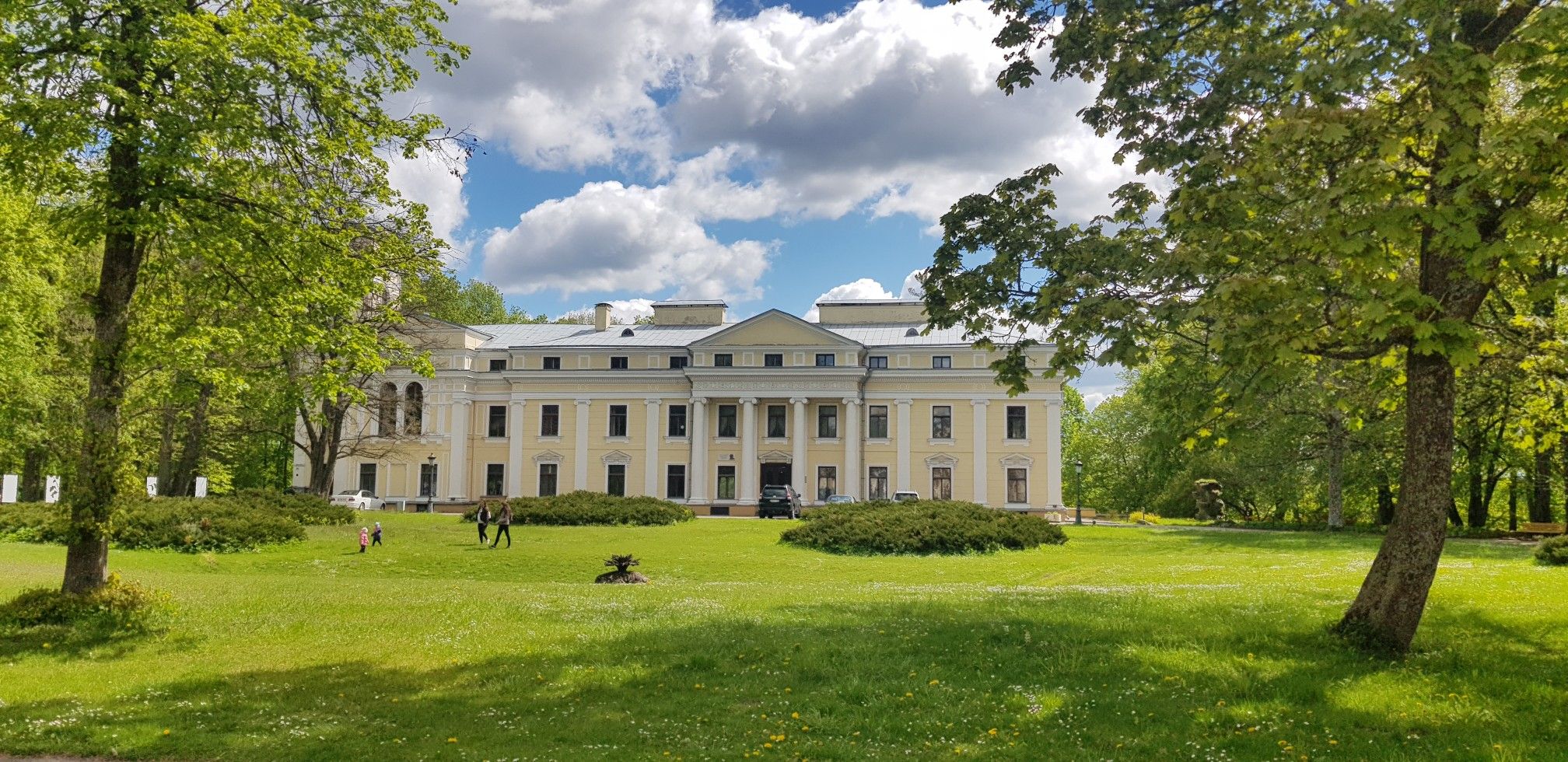
Verkiai Regional Park is one of the most beautiful natural areas within the city limits of Vilnius. The park protects a diverse landscape of forests, river valleys, lakes, and historic estates. One of its highlights is Verkiai Manor, an elegant classical palace complex sometimes called the “Versailles of Vilnius.” From nearby viewpoints visitors can admire sweeping panoramas of the Neris River valley. Numerous walking and cycling trails wind through the park, making it a favourite destination for nature lovers and outdoor enthusiasts.
J. Balsys Lake Beach – Green Lakes
Balsys Lake is part of the famous Green Lakes (Žalieji ežerai) area located within Verkiai Regional Park. These glacial lakes are known for their remarkably clear water and forested surroundings. Balsys Lake Beach is one of the most popular swimming spots in Vilnius, offering a sandy shoreline, wooden piers, and walking paths through pine forests. In summer the area becomes lively with swimmers and sunbathers, while in other seasons it is a peaceful place for hiking and enjoying nature. The lakes represent one of the city’s most scenic natural landscapes.
L. Seimas Palace
The final stop of the route is the Seimas Palace, home of the Lithuanian Parliament. The complex gained particular historical significance during the events of January 1991, when citizens gathered here to defend Lithuania’s independence. Today the building symbolizes the country’s democratic governance and political life. The surrounding square frequently hosts commemorations, exhibitions, and public gatherings. Visiting the site offers a glimpse into Lithuania’s modern history and its journey toward independence and democracy.
Comments (0)